Kilim rugs have been part of British homes for decades—appearing everywhere from Kensington townhouses to cosy cottages in the Cotswolds. Yet one question many UK homeowners continue to ask is simple: Are kilim rugs actually valuable?
The short answer: yes—often far more than you might think.
But value depends on far more than age alone. Materials, weaving origin, craftsmanship, condition, and even UK demand patterns all influence what a kilim is truly worth.
This article breaks everything down with a locally focused, expert perspective to help you understand the real value of kilim rugs in the UK market today.
What Makes Kilim Rugs Valuable?
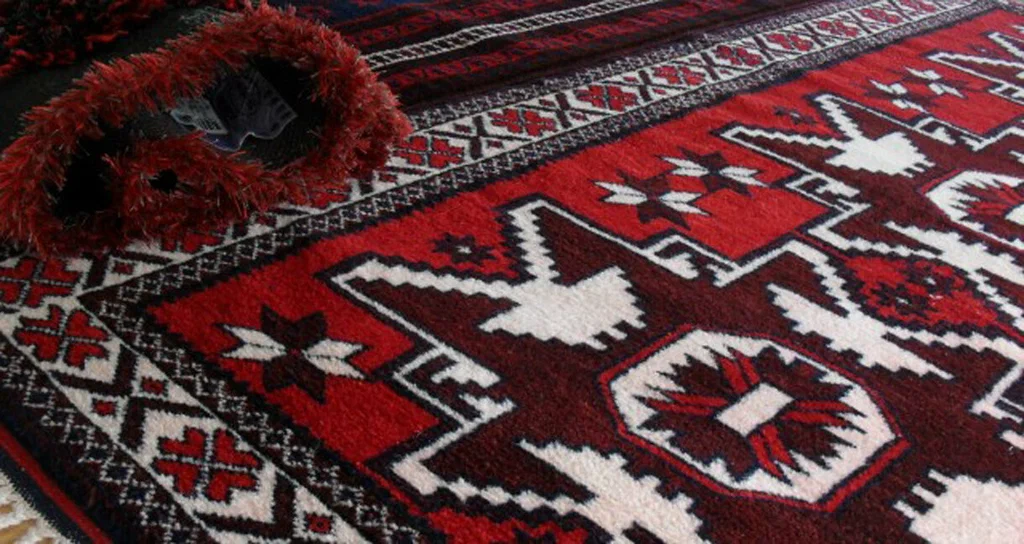
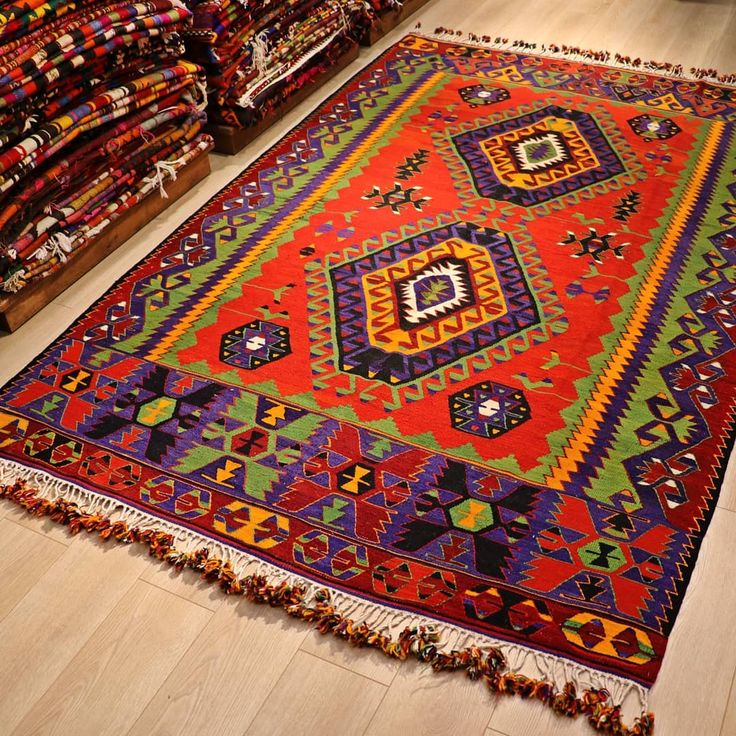
Kilim rugs are known for their flatweave construction, bold geometric patterns, and cultural heritage spanning regions such as Turkey, Iran, Afghanistan, and the Caucasus. Their value stems from a combination of measurable quality factors and market-driven desirability.
1. Handmade Craftsmanship
Authentic kilims are handwoven, often taking weeks or months to create. This level of craftsmanship is highly valued in the UK, especially among London collectors and interior designers seeking unique pieces rather than mass-produced alternatives.
Handwoven kilims hold greater value than machine-made versions because:
- Every pattern reflects cultural symbolism.
- The weave is tighter and more durable.
- No two pieces are ever the same.
2. Origin and Cultural Heritage
Kilim rugs from specific regions, such as Anatolia, Shiraz, or Afghan tribal areas, often carry higher value due to recognisable motifs and weaving traditions. UK rug collectors frequently seek pieces with documented provenance or recognisable cultural signatures.
3. Materials: Wool, Natural Dyes, and Longevity
Valuable kilims typically use:
- High-grade wool
- Natural vegetable dyes
- Hand-spun yarn
These natural fibres are not only longer lasting but more sustainable—an important consideration for eco-conscious UK buyers.
4. Age and Condition
Older kilims (50+ years) can be highly valuable, especially if well-preserved.
However, condition matters. A 70-year-old kilim with heavy damage may be worth less than a recent handwoven piece in excellent condition.
Many UK homeowners in areas like Knightsbridge, Mayfair, and Chelsea regularly seek restoration services to preserve their kilims’ value.
Understanding Kilim Rug Value in the UK Market
The UK has a particularly strong demand for kilim rugs thanks to:
- London’s multicultural interior design trends
- UK appreciation for artisan-made home décor
- Rising interest in sustainable, handmade furnishings
Many buyers also love the practical benefits: kilims are lightweight, reversible, versatile, and easy to style in both modern and classic British homes.
Local Demand Trends
In the UK—and especially in London boroughs like Kensington—the market for kilim rugs is influenced by:
- Home renovation projects
- Rising interest in Middle Eastern and Mediterranean design
- The preference for colourful, patterned textiles in Victorian and Edwardian homes
Why Kilim Rugs Matter in Kensington, London, UK
Kensington is known for its refined yet eclectic design aesthetic. Homeowners often blend classic architecture with unique global pieces—making kilim rugs a perfect fit.
Here’s why kilims are especially valued in Kensington:
- They work beautifully in period properties.
Flatweave kilims complement original wood floors, ornate fireplaces, and high ceilings. - They suit modern luxury apartments.
Bold kilims add colour and cultural richness to minimalist interiors. - Local buyers appreciate craftsmanship.
Kensington homeowners tend to value authentic, handmade decor. - Cultural diversity drives interest.
With an internationally vibrant community, global textiles like kilims feel “at home” here.
If you’re based in or near Kensington, high-quality kilim rugs often hold strong resale value and long-term aesthetic appeal.
How to Determine the Value of a Kilim Rug (Step-by-Step)
1. Check if it’s handmade
Look closely at the back—irregularities usually signal handwoven authenticity.
2. Examine the material
Natural wool and vegetable dyes increase value.
3. Look for regional patterns
Motifs, borders, and colour palettes can indicate the piece’s origin.
4. Evaluate condition
Common concerns include:
- Threadbare edges
- Fade from sunlight
- Holes or tearing
- Colour bleeding from improper cleaning
5. Assess age
Antique and vintage kilims (over 50 years old) often hold higher value—if cared for properly.
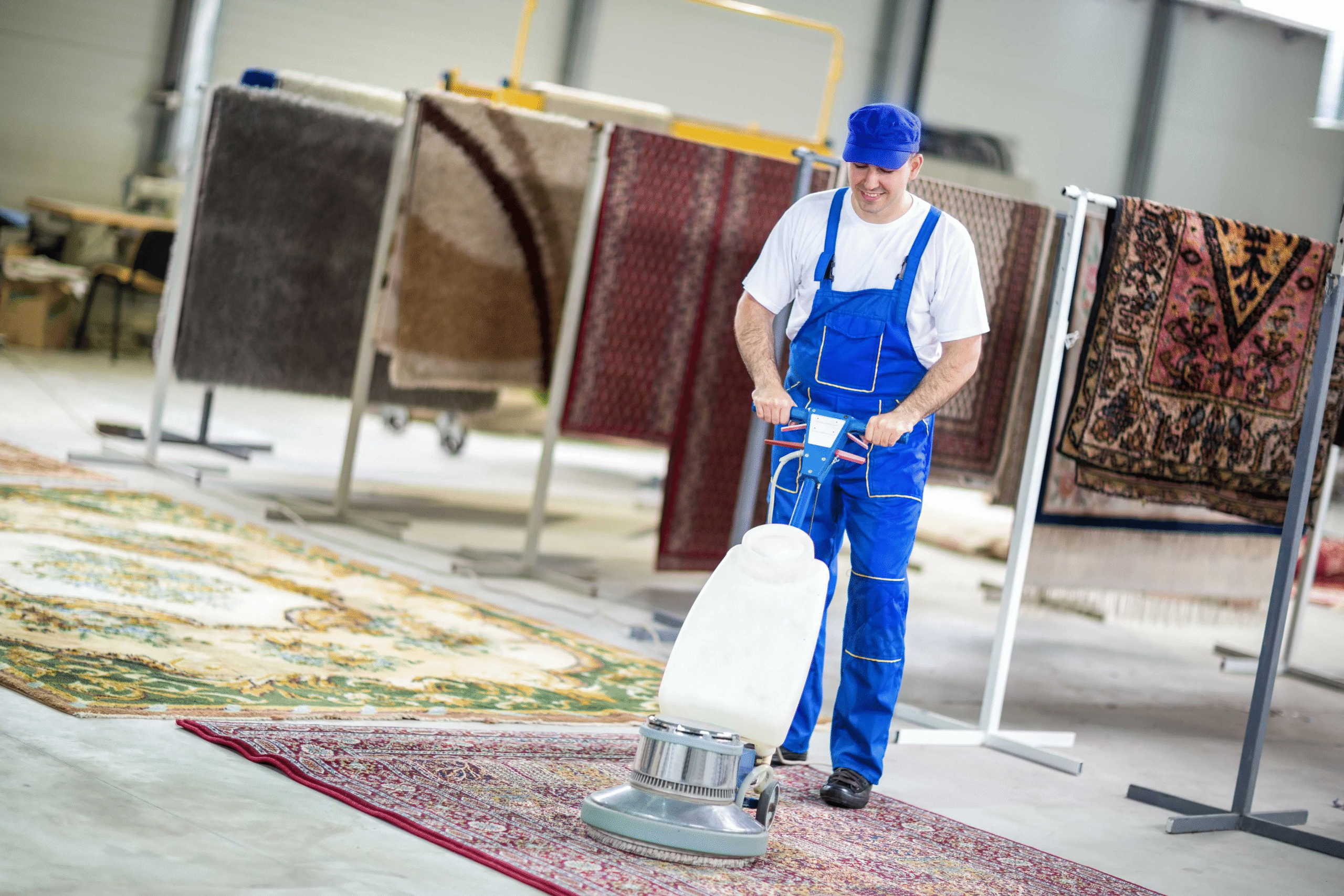
The Role of Professional Cleaning in Maintaining Kilim Value
Proper maintenance is essential for preserving a kilim rug’s long-term worth.
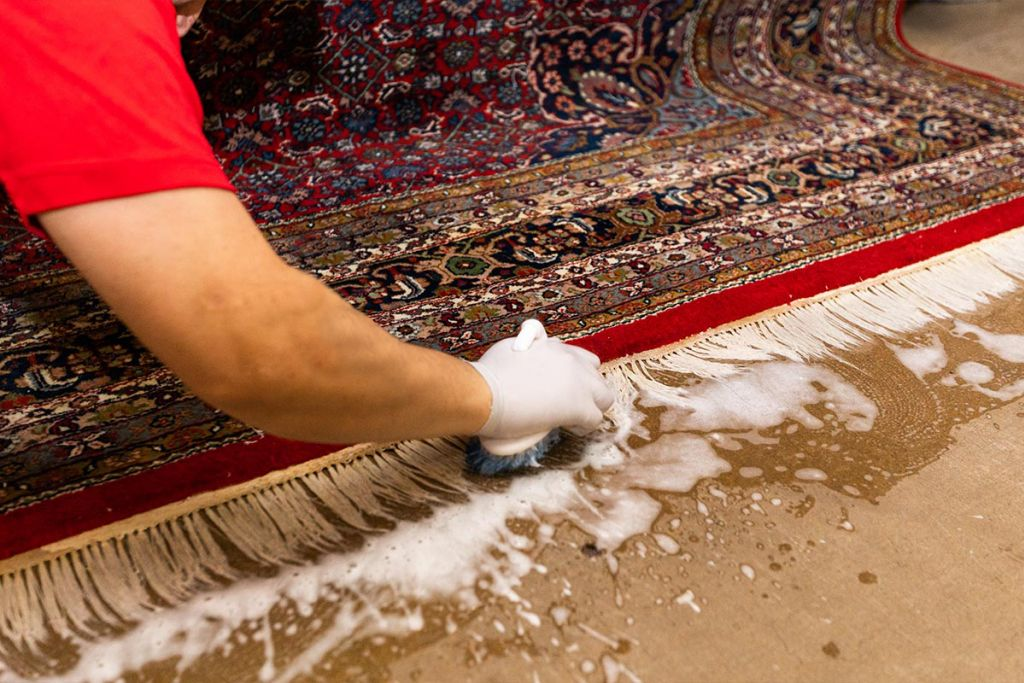
Many kilims lose value due to incorrect cleaning methods, such as harsh chemicals or machine cleaning.
In the UK, where the climate can be damp, maintaining fibre integrity is even more important.
For further reading within the Kensington Rug Collections website, consider:
- Top Rug Cleaning Mistakes
- Choosing the Right Rug Cleaning Service
A reputable specialist can:
- Preserve natural dyes
- Prevent wool shrinkage
- Repair fringe or edge damage
- Restore structural tension in the weave
This is especially important for London homes with high foot traffic or kilims displayed in sunny rooms.
Are Kilim Rugs a Good Investment in the UK?
In most cases—yes. Kilim rugs can appreciate in value, especially if they are:
- Handwoven
- Made from natural materials
- Sourced from a respected region
- Well-maintained
- Culturally significant
Kilim values tend to perform best among UK buyers who appreciate artisan craftsmanship and sustainability.
FAQ: Are Kilim Rugs Valuable? (UK Edition)
Are kilim rugs expensive in the UK?
High-quality handwoven kilims can be moderately priced to premium depending on origin, size, and condition. Antique kilims may command significantly higher prices.
How can I tell if a kilim is real?
Look for handwoven irregularities, natural wool texture, and colour depth. Machine-made rugs are more uniform and often lack character.
Do kilim rugs last long?
Yes—when properly cared for, a kilim can last decades or more. Wool and natural dyes offer exceptional durability.
Are kilims popular in London homes?
Yes. Kilims complement both classic and modern London interiors, making them popular across boroughs from Kensington to Hampstead.
Do kilims fade in UK homes?
They can fade in direct sunlight, particularly in rooms with large south-facing windows. Professional cleaning and careful placement can mitigate this.