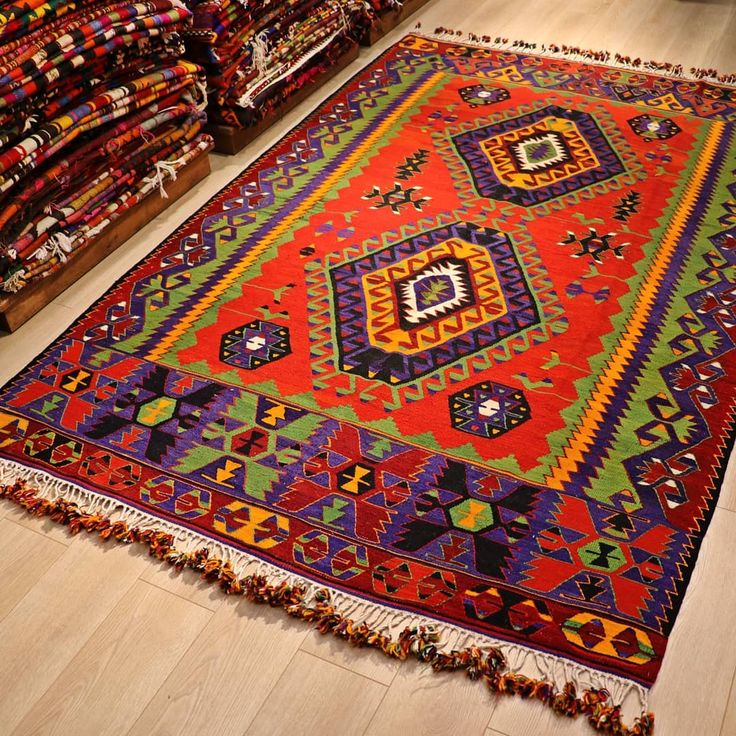
Kilim rugs are prized for their rich cultural history, geometric patterns, and flat-woven craftsmanship. But because they’re made from natural wool fibres and often dyed with vegetable-based colours, homeowners across the UK frequently ask: Can you dry clean a kilim rug?
The short answer is: No—kilim rugs should not be dry cleaned using standard commercial dry-cleaning methods.
Dry cleaning chemicals, heat, and mechanical agitation can damage wool fibres, cause colour bleeding, and distort the weave. Kilim rugs require a specialised cleaning process that differs significantly from traditional garment dry cleaning.
This in-depth guide explains why dry cleaning isn’t safe, what to do instead, and how UK homeowners—especially those in London—can protect their kilim rugs properly.
Why You Should Not Dry Clean a Kilim Rug
Dry cleaning shops in the UK typically use:
- Harsh chemical solvents
- High heat drying systems
- Mechanical tumbling
- Stain-removal agents designed for fabrics like cotton or polyester
These processes are not suitable for wool flatweave kilims, which are sensitive to chemicals and moisture imbalance.
Risks of Dry Cleaning a Kilim
- Dye bleeding from chemical exposure
- Weakening of natural wool fibres
- Distortion of the flatweave construction
- Shrinking or stiffening due to heat
- Residue left behind that attracts dirt
Many homeowners who attempt dry cleaning end up causing irreversible damage. This issue is also highlighted in Top Rug Cleaning Mistakes, which you can read here
What Happens If a Kilim Is Dry Cleaned?
When a kilim undergoes commercial dry cleaning:
- Chemicals dissolve natural oils, leaving wool fibres brittle.
- Colours may bleed, especially with natural vegetable dyes.
- The weave may tighten or warp, affecting the rug’s shape and pattern alignment.
- The rug may develop a chemical smell, which is difficult to remove.
These risks reduce both aesthetic quality and long-term value—especially important if your kilim is vintage, handmade, or culturally significant.
So What’s the Correct Way to Clean a Kilim?
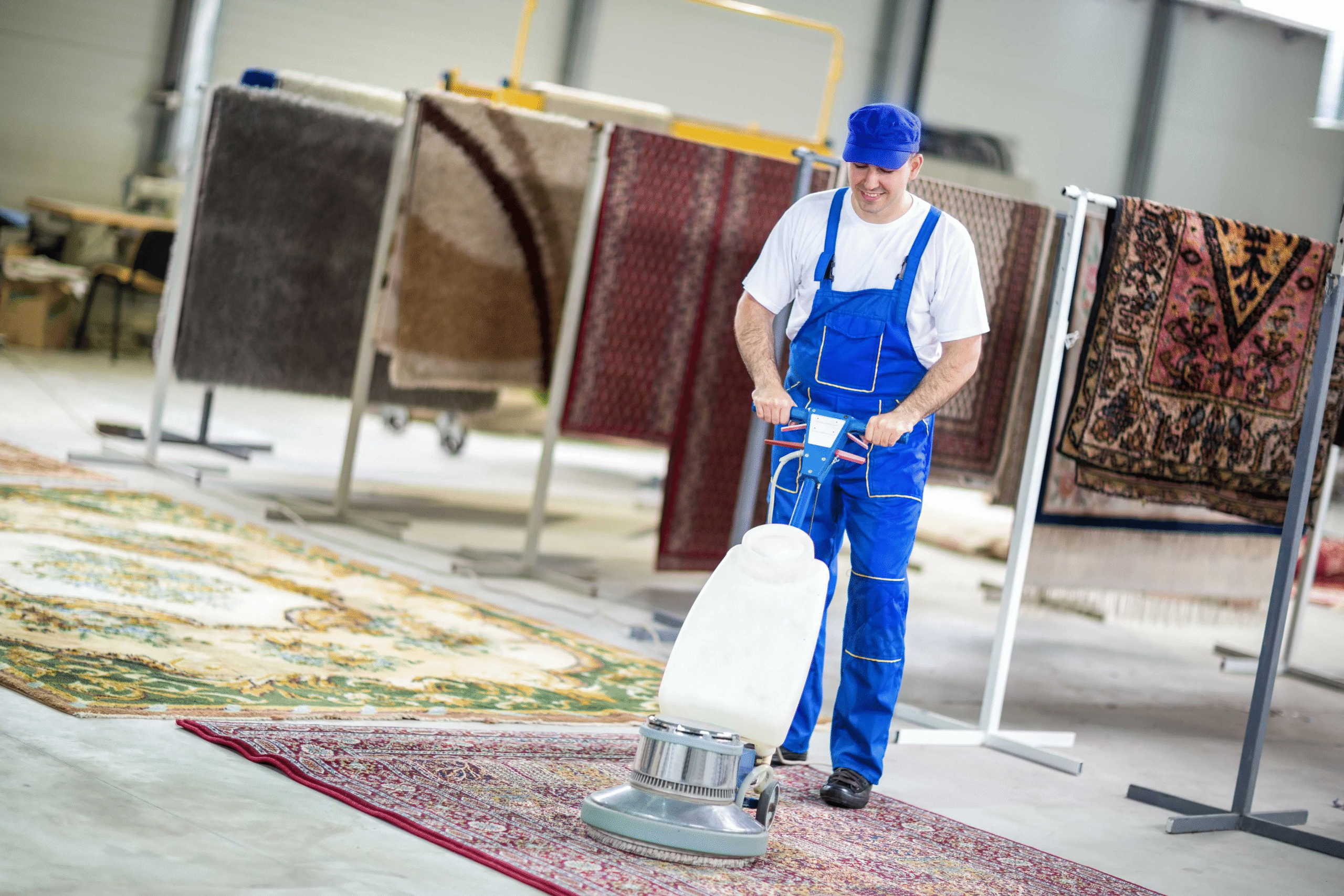
Kilim rugs require specialist rug cleaning, not dry cleaning.
This process is designed specifically for handwoven textiles and uses:
- Gentle dust removal
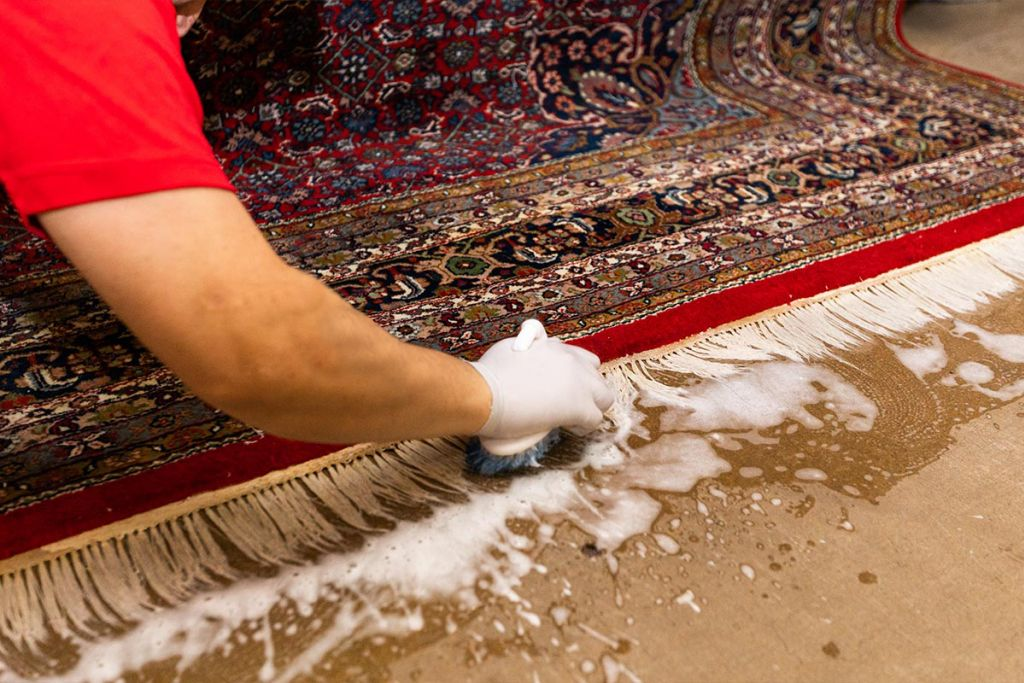
- Wool-safe washing techniques
- Controlled moisture
- Air drying without heat
A full guide on proper rug cleaning is available here.
For a deeper dive into the practical cleaning steps, you can also explore the kilim-focused cleaning content on
Why Professional Kilim Cleaning Matters in the UK
UK conditions make proper cleaning even more important:
- Frequent rain and humidity slow down drying, increasing the risk of odour or shrinkage.
- Pollution in London can embed particles deep into kilim fibres.
- Central heating and sun exposure can fade dyes if cleaned improperly.
Areas like Kensington, Chelsea, and Notting Hill often have older homes with original flooring, meaning kilims receive more daily wear. Professional, wool-safe cleaning extends a kilim’s lifespan dramatically.
Why Kilim Care Matters in Kensington, London, UK
Kensington homes often blend traditional British architecture with global design influences, making kilims especially popular. In these homes:
- Kilims sit in high-traffic spaces like hallways or lounges.
- Sunlit rooms can accelerate fading.
- Foot traffic on wooden floors presses dust into the weave.
Proper cleaning prevents deterioration and keeps your kilim vibrant in any Kensington interior.
Can You DIY Dry Clean a Kilim at Home?
No. DIY “dry-cleaning kits” or powders can:
- Leave residue
- Trigger dye movement
- Cause colour patches
- Damage wool texture
Home-based dry cleaning is just as unsafe as commercial dry cleaning.
What Should You Do Instead of Dry Cleaning?
1. Regular Dusting and Vacuuming
Gentle maintenance keeps your kilim clean between professional care.
2. Prompt Spill Treatment
Always blot spills with cool water and wool-safe detergent.
3. Professional Kilim Cleaning
The safest alternative to dry cleaning is a rug specialist who understands:
- Natural dyes
- Handwoven construction
- Wool fibre behaviour
This ensures your kilim stays clean, balanced, and structurally sound.
For a more detailed read now:
FAQ: Can You Dry Clean a Kilim?
Can kilim rugs survive dry cleaning?
Most will suffer damage—either immediately or over time—because dry cleaning chemicals are not safe for wool or natural dyes.
Is dry cleaning ever recommended for kilims?
No. Proper kilim cleaning requires specialist rug washing methods.
How should kilim rugs be cleaned instead?
Through wool-safe, professional flatweave cleaning performed by specialists.
Will dry cleaning shrink a kilim rug?
Yes, heat and chemicals can cause shrinkage or distortion.
Does dry cleaning remove odours from kilims?
Rarely. It usually leaves behind chemical smells that cling to wool fibres.
Conclusion & Next Steps
Dry cleaning kilim rugs is unsafe and can permanently damage colours, fibres, and structure. Instead, kilims require gentle, wool-safe methods performed by professionals experienced in flatweave textiles.
Next steps:
- Avoid dry cleaning and chemical solvents.
- Maintain your kilim with regular dusting and gentle vacuuming.
- Use specialist cleaning services when deeper care is needed.
With correct care, your kilim rug will stay vibrant, clean, and long-lasting in any UK home.