Kilim rugs have become increasingly popular across the UK, appearing in London apartments, countryside cottages, and stylish Victorian homes from Kensington to Bath. But with the rise in demand comes a rise in imitations—and many homeowners ask the same question: How can you tell a real kilim from a fake one?
Authentic kilims are handwoven, culturally significant, and often valuable. Spotting the real thing requires understanding weave structure, patterns, materials, dyes, and subtle craftsmanship details. This guide provides a clear, expert-level breakdown so you can confidently identify genuine kilims in the UK market.
What Makes a Kilim “Real”?
A real kilim is:
- Handwoven, not machine-made
- Flatwoven (no pile)
- Made from natural wool
- Often coloured with vegetable dyes
- Produced using traditional weaving techniques from regions like Turkey, Iran, Afghanistan, and the Caucasus
Any kilim that doesn’t align with these foundational qualities is either a replica or a modern, commercial version.
Key Signs You’re Looking at a Real Kilim
1. Check the Back: Handwoven Imperfections
One of the easiest ways to identify a real kilim is by flipping it over.
What you should see:
- Slight irregularities
- Small variations in weave tension
- Patterns are visible almost identically on both sides
- Natural, inconsistent linework
Machine-made rugs look too perfect, with uniform stitching and rigid precision.
2. Feel the Texture: Wool vs Synthetic Fibre
Authentic kilims are typically made from:
- High-quality wool
- Occasionally cotton warps
- Natural vegetable dyes
How real wool feels:
- Warm to the touch
- Slightly oily (from natural lanolin)
- Soft but strong
- Not plasticky or overly smooth
Synthetic fibres in fake kilims feel colder, overly glossy, and unnaturally consistent.
3. Look for Traditional Kilim Weaving Techniques
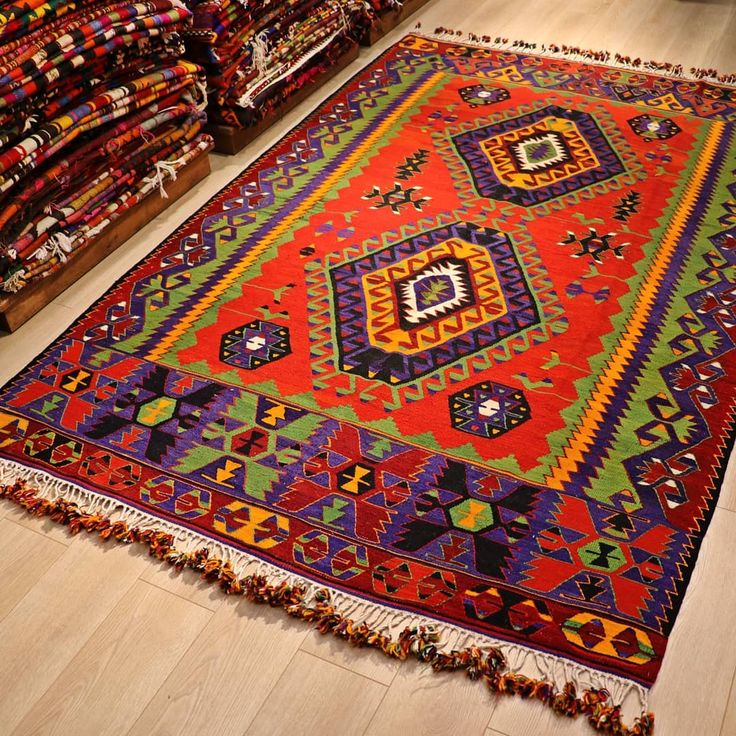
Real kilims showcase a distinctive flat weave created by tightly interweaving warp and weft threads.
Indicators of genuine kilim weaving:
- No pile or tufting
- Slits between colour changes (a hallmark of the slit-tapestry technique)
- Crisp geometric patterns
- Reversible design
If the rug has a pile, fuzzy texture, or printed patterns, it’s not a real kilim.
Learn more about kilim construction and features here:
4. Examine Colour Variations (Abrash)
Authentic kilims frequently display abrash—natural variations in dye shades caused by hand-dyeing wool in small batches.
What a brash looks like:
- Gentle, irregular colour shifts
- Variations within the same hue
- A natural, artisanal look
Perfectly even colour is often a sign of factory dyeing or digital printing.
5. Inspect the Fringe and Edges
In real kilims:
- The fringe is part of the foundation, not sewn on.
- Edges are hand-finished with visible craftsmanship.
Fake kilims often have fringes added later, stitched in, or glued.
6. Test the Flexibility
Authentic kilims are lightweight and flexible due to their flat-woven structure.
Signs of authenticity:
- The rug folds easily
- It feels supple, not stiff
- It isn’t overly heavy
Machine-made imitations typically feel rigid or overly thick.
7. Authentic Patterns and Cultural Motifs
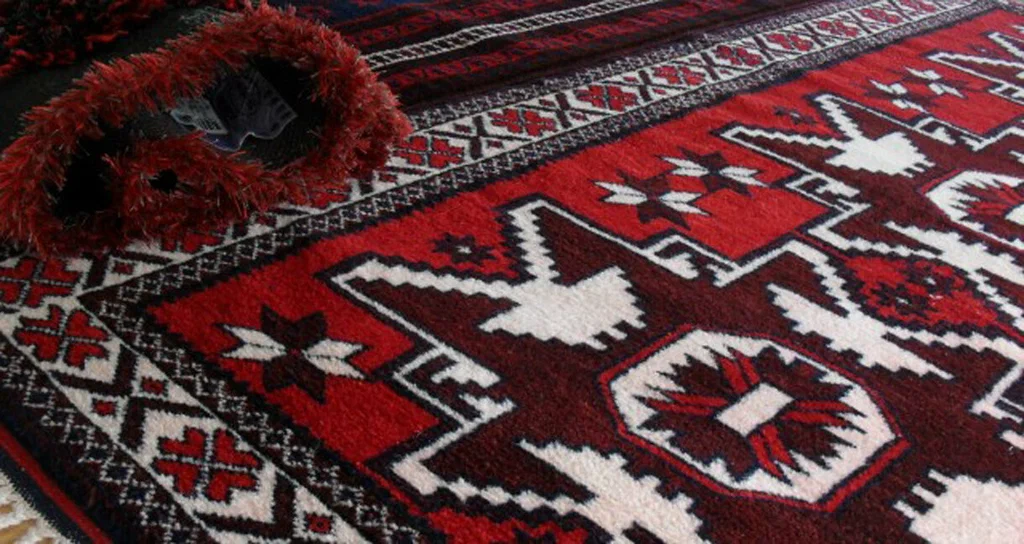
Traditional kilims feature symbolic motifs such as:
- Elibelinde (fertility signs)
- Ram’s horn designs (strength)
- Crosses and diamonds (protection)
- Hook motifs (good luck)
Machine-made versions often copy these motifs, but the detailing is less refined.
Common Signs of Fake or Machine-Made Kilims
Watch out for:
- Overly perfect, computer-generated patterns
- Synthetic shine under light
- Printed designs (the back will look blurry)
- Machine stitching on the edges
- Very low pricing for large pieces
- Identical kilims sold in bulk
For homeowners unfamiliar with kilim construction, it’s easy to make mistakes. You can explore common errors on the Top Rug Cleaning Mistakes page—not directly about identification, but helpful for understanding rug care issues.
Why Spotting a Real Kilim Matters in the UK Market
In the UK—especially in cities like London—kilims have become popular for:
- Bohemian interiors
- Modern Scandinavian-style homes
- Traditional British period houses
But the market has also seen an influx of machine-made replicas.
Recognising real kilims helps ensure:
- You’re paying the correct value
- You’re buying authentic cultural craftsmanship
- You’re choosing a rug that will last decades
Buyers in areas like Kensington, Chelsea, and Hampstead often look for handwoven pieces to complement historic interiors and preserve long-term value.
How to Tell a Real Kilim in Kensington, London, UK
Kensington’s design aesthetic blends historical charm with contemporary luxury. Here’s what local buyers typically look for:
Local authenticity checks:
- Handwoven texture that suits traditional wood floors
- Natural dye variation that pairs well with neutral Kensington interiors
- Durable wool suitable for high-traffic townhouses
- Unique regional motifs that reflect a globally inspired design style
Authentic kilims not only elevate Kensington homes but also retain long-term value—something machine-made versions cannot offer.
FAQ: How Can You Tell a Real Kilim?
Are real kilims always handmade?
Yes. Authentic kilims are exclusively handwoven using traditional flatweave techniques.
Do real kilims have identical front and back designs?
Almost. The back is typically a mirror of the front, but with small irregularities.
Are vintage kilims more valuable?
Often, yes—but only if they’re authentic and in good condition.
Can synthetic kilims still look high-quality?
Some do, but they lack the durability, value, and craftsmanship of real kilims.
What is the easiest way to check authenticity?
Flip the rug. The back reveals the weave, dye quality, and construction technique.
Conclusion & Next Steps
Spotting a real kilim comes down to understanding the craftsmanship behind these beautiful flat-woven rugs. From natural dyes and handwoven texture to traditional motifs and authentic construction, the details tell you everything you need to know.
Next steps:
- Examine the weave, texture, and dyes of your kilim.
- Learn the common signs of imitations.
- Explore trusted UK kilim sources to ensure authenticity.
With the right knowledge, you can choose a kilim that is not only beautiful, but genuinely authentic and built to last.