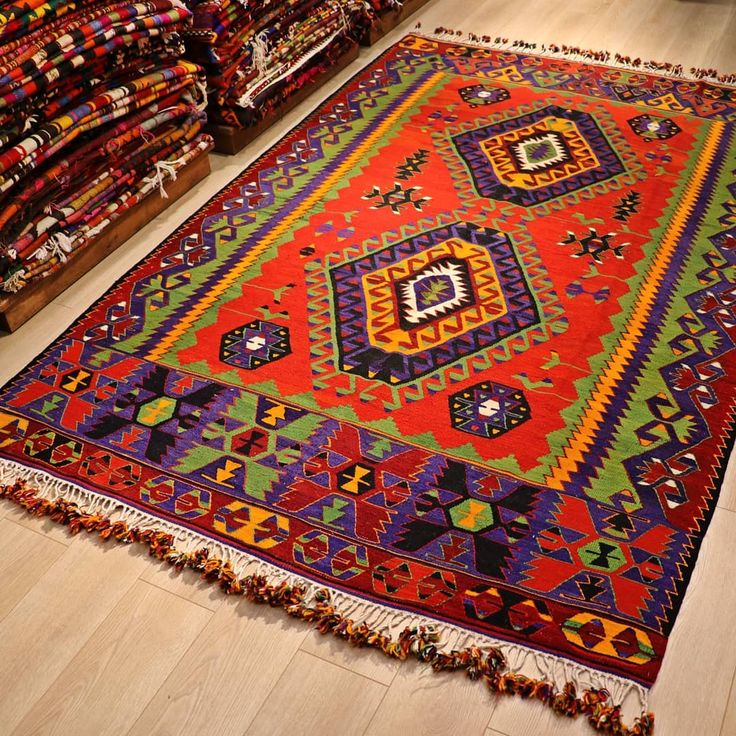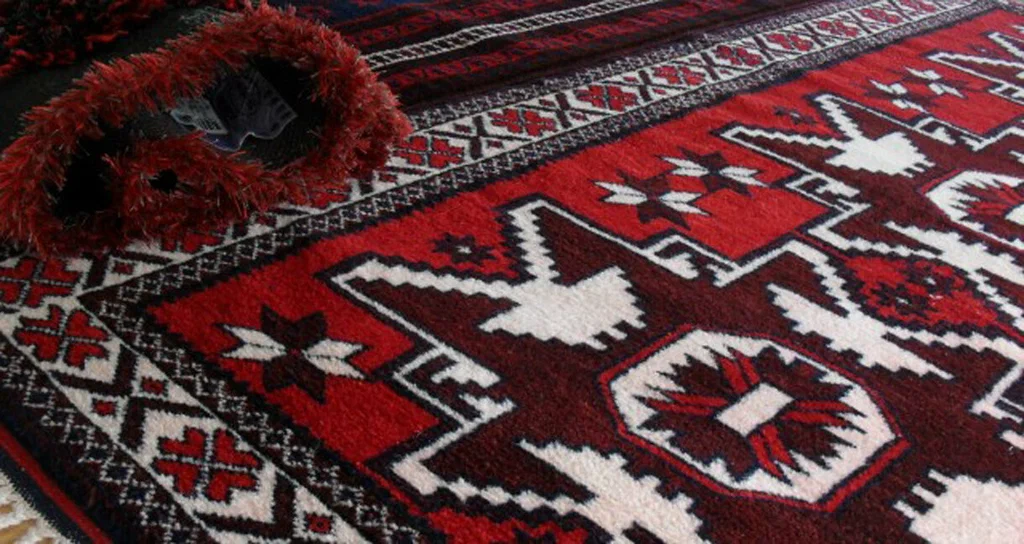
Kilim rugs are celebrated for their vibrant patterns, lightweight weave, and cultural heritage. But because they’re flatwoven, delicate, and often dyed with natural pigments, many UK homeowners—especially those in London—struggle with one key question: How do you clean a kilim rug properly without damaging it?
If you live in areas like Kensington, Chelsea, or Hampstead, where kilim rugs are commonly used in high-traffic living rooms, hallways, and entranceways, correct cleaning is essential. Proper care preserves the rug’s colours, value, and structural integrity.
This comprehensive guide explains exactly how to clean kilim rugs safely, effectively, and in a way that preserves their long-term value in UK homes.
Why Kilim Rugs Require Special Cleaning Care
Unlike pile rugs, kilims are flat-woven, meaning:
- Dirt settles deeply between warp and weft threads.
- Natural dyes may bleed if cleaned incorrectly.
- Wool fibres can shrink or distort with excessive moisture.
UK homeowners often learn this the hard way, particularly when attempting DIY cleaning. Common mistakes are covered in detail on the Top Rug Cleaning Mistakes page.
Because kilims are handmade, delicate, and often valuable, the cleaning method matters immensely.
Step-by-Step: How to Clean Kilim Rugs Properly
1. Start With a Thorough Dry Dusting
The most important cleaning stage for kilim rugs is removing dry dirt.
How to do it correctly:
- Take the rug outdoors on a dry day (rare in parts of the UK, but ideal when possible).
- Gently shake the rug to loosen debris.
- Use a soft brush or rug beater to remove deep-set dust.
- Avoid vacuuming the edges or fringe—this is where damage typically begins.
For UK homeowners in cities like London or Manchester, where access to outdoor space is limited, you can roll the rug and gently tap it over a clean indoor floor instead.
2. Vacuum Carefully—But Not Aggressively
Vacuuming kilim rugs can be safe if done gently.
Recommended technique:
- Use a low-suction setting.
- Vacuum the rug flat to avoid stretching the weave.
- Avoid the beater bar, which can pull fibres loose.
- Vacuum both sides, as dust settles through the weave.
Never vacuum the fringe—this can cause tearing or unraveling.
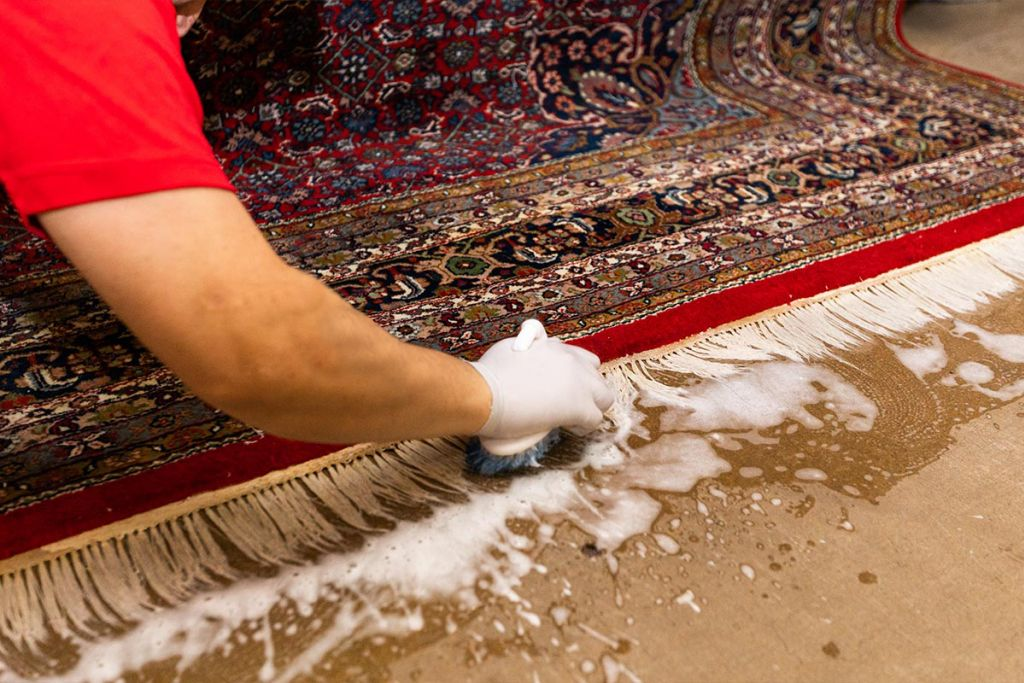
3. Spot Clean With Mild, Wool-Safe Solutions
If spills happen (tea, wine, or the occasional muddy footprint), act quickly.
Safe DIY spot-cleaning method:
- Blot the spill with a clean, white cotton cloth.
- Mix cool water with a small amount of wool-safe detergent.
- Test on a hidden corner first to ensure dyes don’t run.
- Use a damp—not wet—cloth to lightly dab the stain.
- Blot dry with a towel.
Avoid scrubbing, harsh chemicals, or hot water—these can cause fading or fibre damage.
4. Avoid Soaking the Rug or Using Excess Water
Because many UK homes have central heating, underfloor heating, or high humidity levels, saturated wool dries slowly and may warp. Over-wetting can also cause natural dyes to bleed.
This is one of the most frequent errors UK homeowners make, which is why reading Top Rug Cleaning Mistakes is valuable.
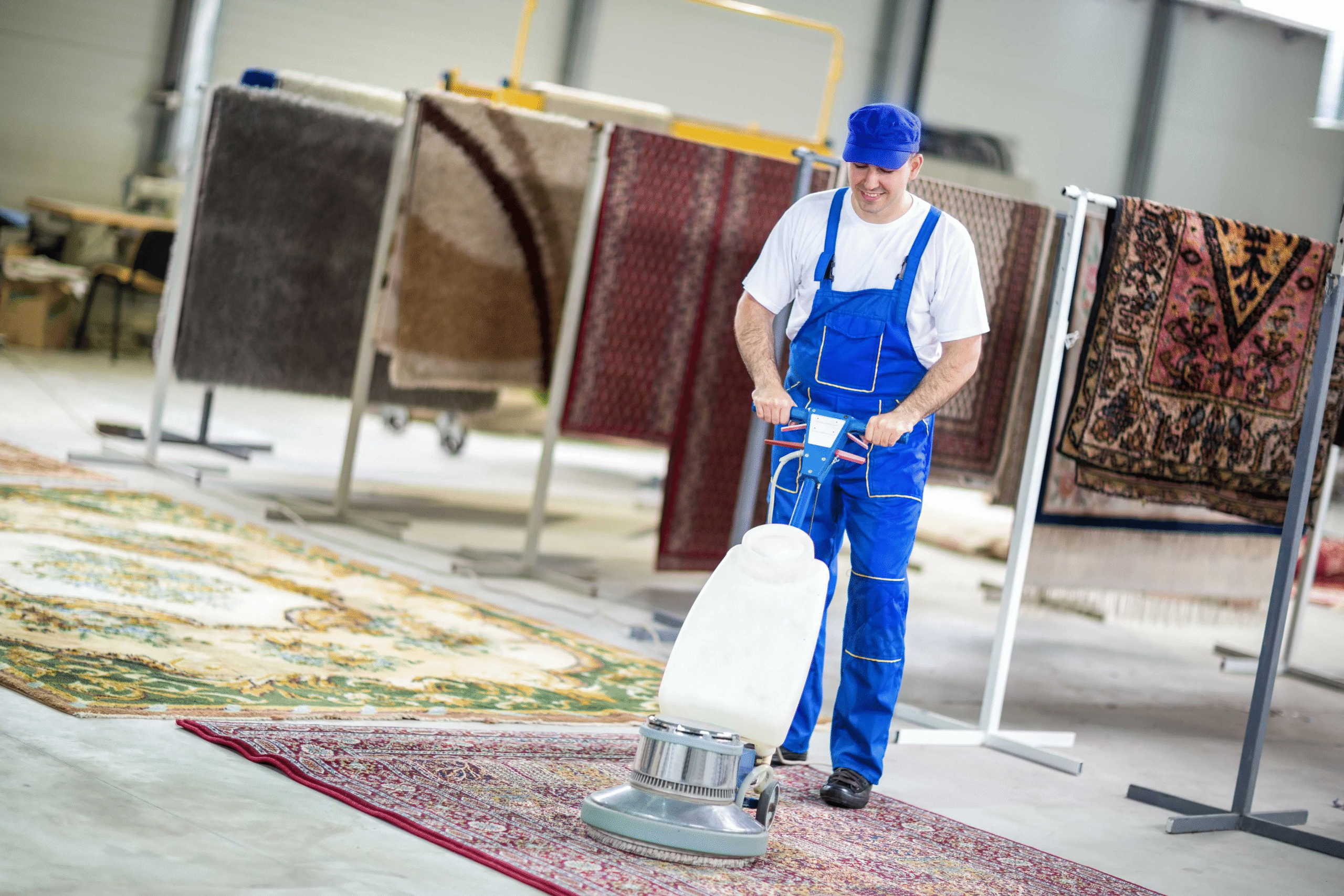
For deep cleaning, a professional service is often the safest option.
5. Professional Cleaning for Deep Dirt and Restoration
For seasonal or annual cleaning, kilim rugs are best cared for by specialists who understand:
- Natural wool fibres
- Vegetable dyes
- Flatweave construction
- Safe drying techniques
The wrong cleaning method can permanently reduce a kilim’s value, especially vintage or antique pieces. That’s why selecting a knowledgeable rug cleaning specialist matters. A helpful guide is available. Professional cleaning is especially recommended for homes in busy areas like Kensington, where kilims often face more foot traffic.
Why Kilim Rug Cleaning Matters in Kensington, London, UK
Kensington households often use kilim rugs in:
- Decorative hallways
- High-traffic living areas
- Sunlit conservatories
- Modern apartments and period homes
Because of London’s mix of damp weather, pollution particles, and everyday dust, kilims here require more frequent maintenance than in drier climates.
Unique Kensington considerations:
- Homes with original wood floors attract more dust into kilims.
- London air pollution can settle into fibres more quickly.
- Sunny rooms in Kensington townhouses can fade natural dyes faster.
- Kilims in open-plan flats see consistent daily wear.
A regular cleaning routine, paired with occasional professional care, preserves both beauty and monetary value.
Can You Wash a Kilim Rug at Home?
Technically, you can, but it’s rarely recommended—especially in the UK, where drying conditions are unpredictable.
Why washing is risky:
- Natural dyes may bleed.
- Fast drying is crucial to prevent smell or shrinkage.
- Wool can lose texture when over-saturated.
If your kilim holds sentimental, decorative, or financial value, professional cleaning is the safest long-term choice.
Best Practices for Maintaining Clean Kilim Rugs in UK Homes
- Rotate the rug every 6 months to prevent uneven fading.
- Avoid placing kilims in damp basements or conservatories.
- Use rug pads to reduce friction on wood floors.
- Vacuum lightly and regularly.
- Clean spills immediately before they set in.
Many additional care topics are covered across the site’s rug knowledge pages, including the dedicated Kilim Rugs section.
FAQ: How Do You Clean Kilim Rugs?
How often should I clean a kilim rug?
Light vacuuming weekly is ideal, with professional cleaning once every 12–18 months, depending on foot traffic.
Can kilim rugs be steam cleaned?
No. Steam can damage wool fibres, cause dye bleeding, and distort the flatweave structure.
Do kilim rugs fade when cleaned?
Only if incorrect products or methods are used. Wool-safe detergents and cool water prevent fading.
Is professional rug cleaning necessary?
Yes, for deep cleaning, stain removal, restoration, or preserving the value of handmade or antique kilims.
Can I use regular carpet cleaners on kilims?
No. Most UK carpet cleaners are too harsh for natural wool kilims.
Contact Us
For UK homeowners who want safe, expert care for their kilim rugs—whether routine cleaning, stain removal, or restoration—professional help ensures your rug stays vibrant and structurally sound for years. Visit Kensington Rug Collections to explore cleaning guidance and expert support tailored to UK homes.
Conclusion & Next Steps
Kilim rugs are beautiful, culturally rich, and long-lasting when cared for correctly. Cleaning them requires a delicate, informed approach—especially in UK environments where dampness, foot traffic, and pollution can affect fibres.
Next steps:
- Begin with a gentle weekly maintenance routine.
- Handle spills with wool-safe, cool-water techniques.
- Schedule periodic professional cleaning to preserve value.
With the right approach, your kilim rug will remain vibrant, clean, and cherished for decades.